Today was going to be Squirrel Nut Zippers, but Marc Cohn had other ideas, forcing his way into my consciousness once again.
Put on my blue suede shoes and I boarded the plane. Touched down in the land of the delta blues, in the middle of the pouring rain . . .
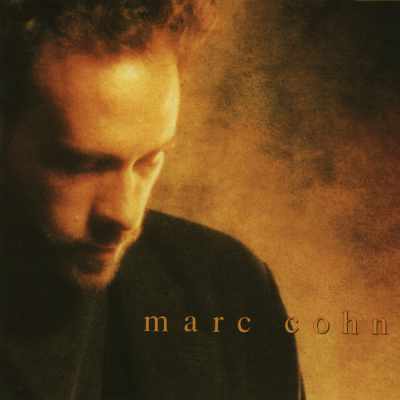 Walking in Memphis is filled with the mental imagery and musical references that inspire and evoke. At the beginning spare and simple, building to a nearly symphonic conclusion and tossing in some Jewish gospel along the way, Marc’s piano and voice solidly lead us through. Opening with solo piano and Marc’s distinctive voice, eventually including a choir and full band, in the end winding back down to Marc’s voice and the beautiful piano theme that characterizes the tune.
Sounding terribly autobiographical, the tune is about travelling to the home of so much of American traditional music. Homage is paid to W. C. Handy, the late Muriel Wilkins (pianist at the Hollywood Cafe), Elvis, and Beale Street itself.
(More recently, Cohn has touched me with his song “Lost You in the Canyon.” It vividly reminds me of lost relationships, and some that never were.)
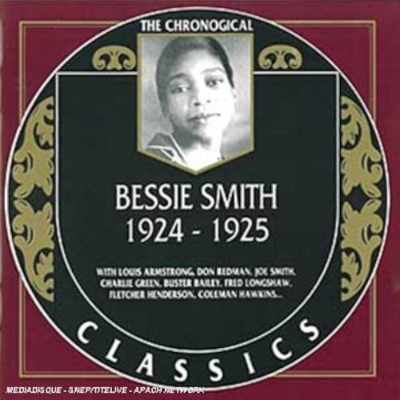 W. C. Handy is credited with writing, in 1910, the first American blues tune, The Memphis Blues which, due to publishing difficulties, was not released until 1912. The Handy tune I love most is his St. Louis Blues, especially Bessie Smith‘s version. The quintessential blues voice, drawling, swooping, climbing up to find one note, then sliding down for the next, is backed by one of the most passionate performances I’ve ever heard Louis Armstrong give. The only other instrument on the recording is Fred Longshaw’s harmonium (think ‘table-top accordion’) but somehow, it achieves a full-throttle sound you’d expect from a full jazz band.
Jazz forces me to think and feel beyond what is simple and obvious. Music should stretch your soul. Jazz stretches mine.
 Who’s Next